
What a person says could be very small, what we think about what the person said is usually very large and literally, in some cases, last for years after the words were uttered. What they said was maybe one or two words, what we read into it was a whole book.
We attach so much to words, words that often come from the ramblings of another person’s unconscious thought train and then we analyse them, dissect them, and think about all the possible meanings there could be to what they said. We take everything said about us or to us by others so seriously. When like everything in life, they do not matter unless we choose to make them matter.
They might have just said ‘good morning’ but our own internal pain bodies will latch onto that and they will see a meaning in it that wasn’t there. Our prejudgements about a particular person will cloud what they actually say in a fog of thoughts and preconceived notions…we will even analyse things as they are said not often even hearing what they said. Our mind often makes up what was said to suit its stories. Then after we question even the tone of their voice. There wasn’t actually a ‘tone’ that was wrong but that is what our mind heard regardless.
As with everything, what is reality, is what we believe it to be.
If we believe the world and everyone in it are out to get us, then they are, as that is all we will see and believe. What we believe gets manifested.
What people say is a collection of simple vibrations formed into words that we and society have attached a meaning to. We choose how to receive and react to those words. They’re just sounds and it is our mind that chooses to attach suffering to them or not.
Lastly, where has all this endless analysis ever got us? Nowhere, other than suffering and bad relationships. Also, this is before we even start on the written words in texts, WhatsApp messages, social media posts and emails. That’s off-the-charts analysis!
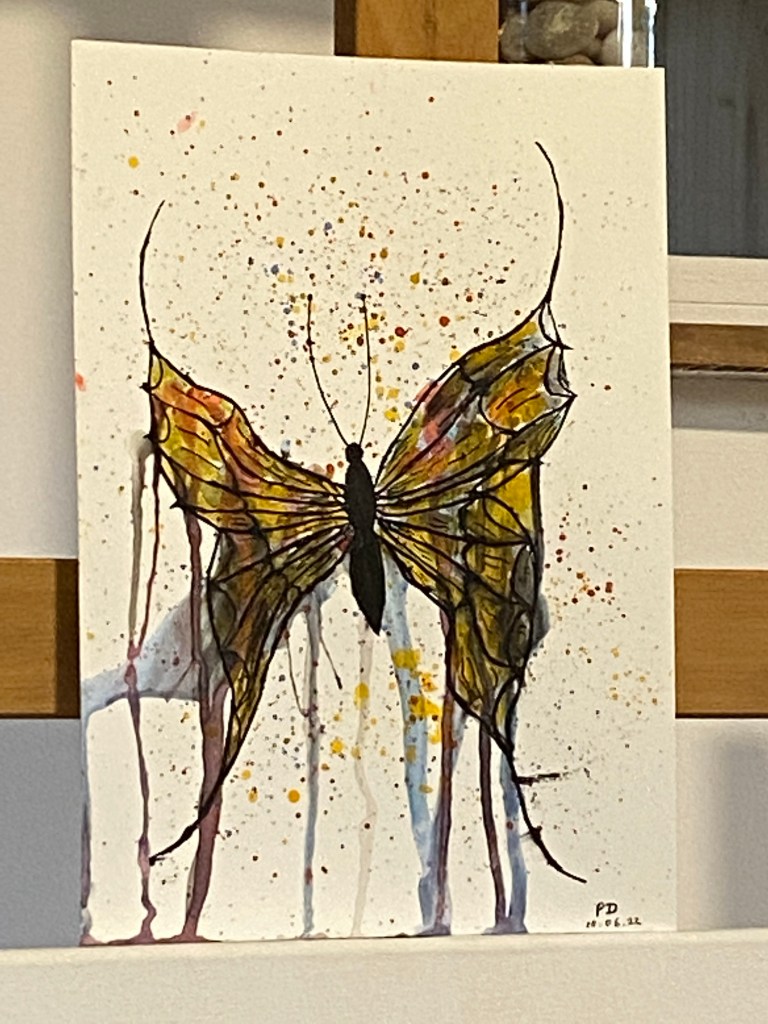
 Philip Dodson