Zealots

When we become super enthused by something, especially when it makes a big difference to us, when we feel like it is a great revelation…like the eureka moment that answers everything for us, we then become evangelical.

However, often and with good intentions, we want to bring this to others so much that we lose sight of that just because it was our revelation or realisation that it must be for others too. We make the assumption that others are experiencing or needing the same as us.

What can happen is that our fervent desire to adhere to something can lead us to become a zealot. Our zealous beliefs lead us to become completely inflexible, we lose the ability to understand others and instead of being inspiringly evangelical about something we become harsh and repel others. 

When we lose the ability to see others and accept that they are on their own path and journey, which is not ours to alter, interfere with or judge, then we lose connection and our inflexibility becomes an inhibitor to ourselves.

When we become zealous we lose our ability to be compassionate and most importantly with ourselves, which is then reflected in how we treat others.

Often the resistance that we receive from others only magnifies our own zealous and inflexible behaviour further. We must learn to be compassionate with ourselves if we are to break out of this cycle.

Kindness to ourselves is vital otherwise when we become a zealot with ourselves we significantly impact our self-worth.
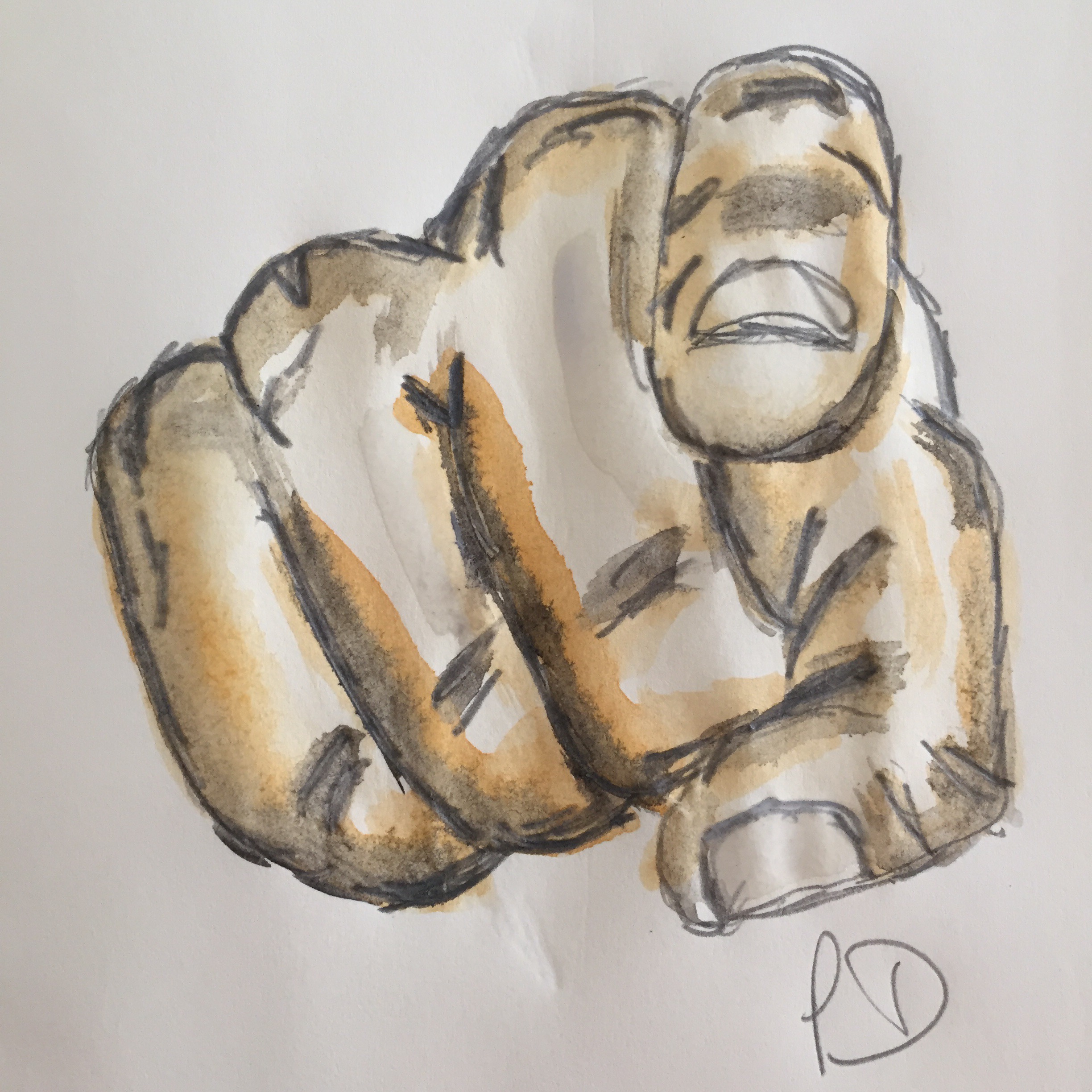
Pointing the finger at others and prejudice

Ask yourself, do you go a day not judging another person for whatever it is? Do you walk down the street and label people based on nothing but our own prejudices, perhaps just for what they wear? Do you see or hear about a famous person, or someone you’ve never met, and pass a judgement on them? Do you hear second hand stories about a person and criticise them? Do you judge others, for whatever reason?

You are not alone, most humans are conditioned and habitually label and judge, mainly based on nothing but our preconceived opinions. It is a habit, we are taught it.

What if we challenged ourselves to stop judging or criticising others, perhaps initially, just for a day? What if we completed a day and tried another? Slowly, step by step unlearning our conditioning, perhaps we could then influence others by being an example for them to follow. What if we stopped blaming others? What if we choose to be accountable for our judgements?

Over time we could start to eliminate prejudice and far more effectively than any zealous shaming of other people’s choices, ones that if we are all honest, we make all the time. It’s funny how we can excuse our own judgements as valid and truthful, yet see others as unfair.

None of us are born with any prejudices, we are taught them and conditioned to have them. In order to reverse the conditioning, we need to be the individual who changes, who leads by example, who is prepared to be brave enough to be different. It does not happen by doing the very thing that criticism and judgement causes by criticising and judging others.

Do not judge others, inspire others by example, by stopping judgement, by stopping criticism, by letting go of our own prejudices.

It is by example we change not by pointing the finger at others and shaming them.