Where have all the insects gone?
I am 55 years old…I know, I don’t look it! When I was a kid, we used to go on family holidays to France and drive from Calais in the north all the way to the south, and in the days before motorways, it would take a few days.
One of the things that I remember about those long summer trips was my father having to stop the car every so often to get out and thoroughly clean all the dead insects off the windscreen as the screenwash and wipers could only do so much. Then as an adult, we repeated the same trips to France on holidays with our kids and perhaps 20 years ago, I had to do the very same thing, stop to clean the windscreen of all the squished bugs. I didn’t think anything of it.
I was never a huge fan of insects as a kid and there were a lot of them, particularly in the summertime.
The other thing I remember as a kid was House Martins that used to nest in the eaves of our house above our bedroom window. I was amazed that they came every year, although it seemed normal, and I was equally amazed by their incredible ariel acrobatics as they flew and ate insects on the wing. There were a huge number of birds of all varieties.
Suddenly, I started to notice no insects on the windscreen, fewer moths when you had the windows open in the summer, no more House Martins, fewer birds in general, and fewer insects in general.
As the human race has gone to GM crops, more pesticides and industrial-scale agriculture to keep up with our over-consumption of food so have insects declined.
In the UK insects have declined by 60% and I am sure this is a similar thing occurring across the planet.
Now you could say great, cleaner windscreens, less annoying insects, and better crop yields.
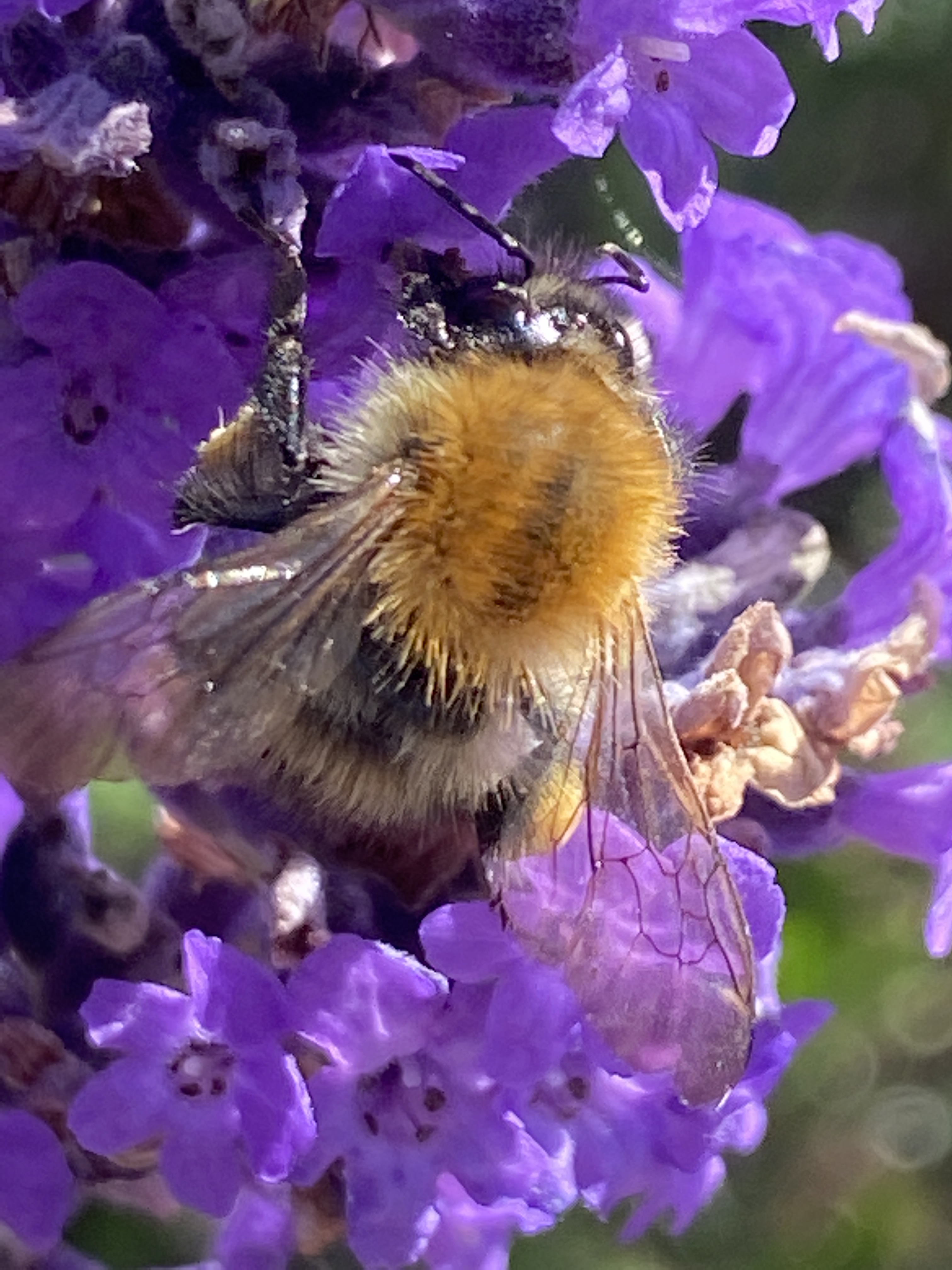
There has been a great deal of very important coverage of the plight of our fluffy bumble bees, and rightly so, however, without insects the whole ecosystem is doomed.
We are not separate from nature, as we have been conditioned to believe, and as humans, we are trying and are going to fail miserably in our mistaken thoughts that we are separate and can control nature. We are nature, we are a part of it, the same as insects and all other living things.
We have to start to return to the indigenous roots that were completely in tandem and part of nature. Most of the remaining valuable ecosystems are under the custodianship of indigenous peoples, who work in partnership with nature and take only from the surplus of what nature provides and work with nature to put back in so there is always abundance. They respect nature as they see themselves at one with it and therefore only taking the overage means there is always something there for next year and so on.
The rest of the world, seeing themselves as separate and more important than nature, are stripping the planet of everything to feed their financial gain and internal lack. The sense of lack within ourselves is the primary cause of the addictive overconsumption of everything. However, the consumption does not soothe the lack it only feeds it.
If we want to see a change, more insects, more birds, more wildlife, and a better environment then we have to stop seeing ourselves as separate from nature and realise that we are all part of the one life that is the universe and all that is in it. We also have to be the first to change and realise that we can all make our difference.

 Philip Dodson