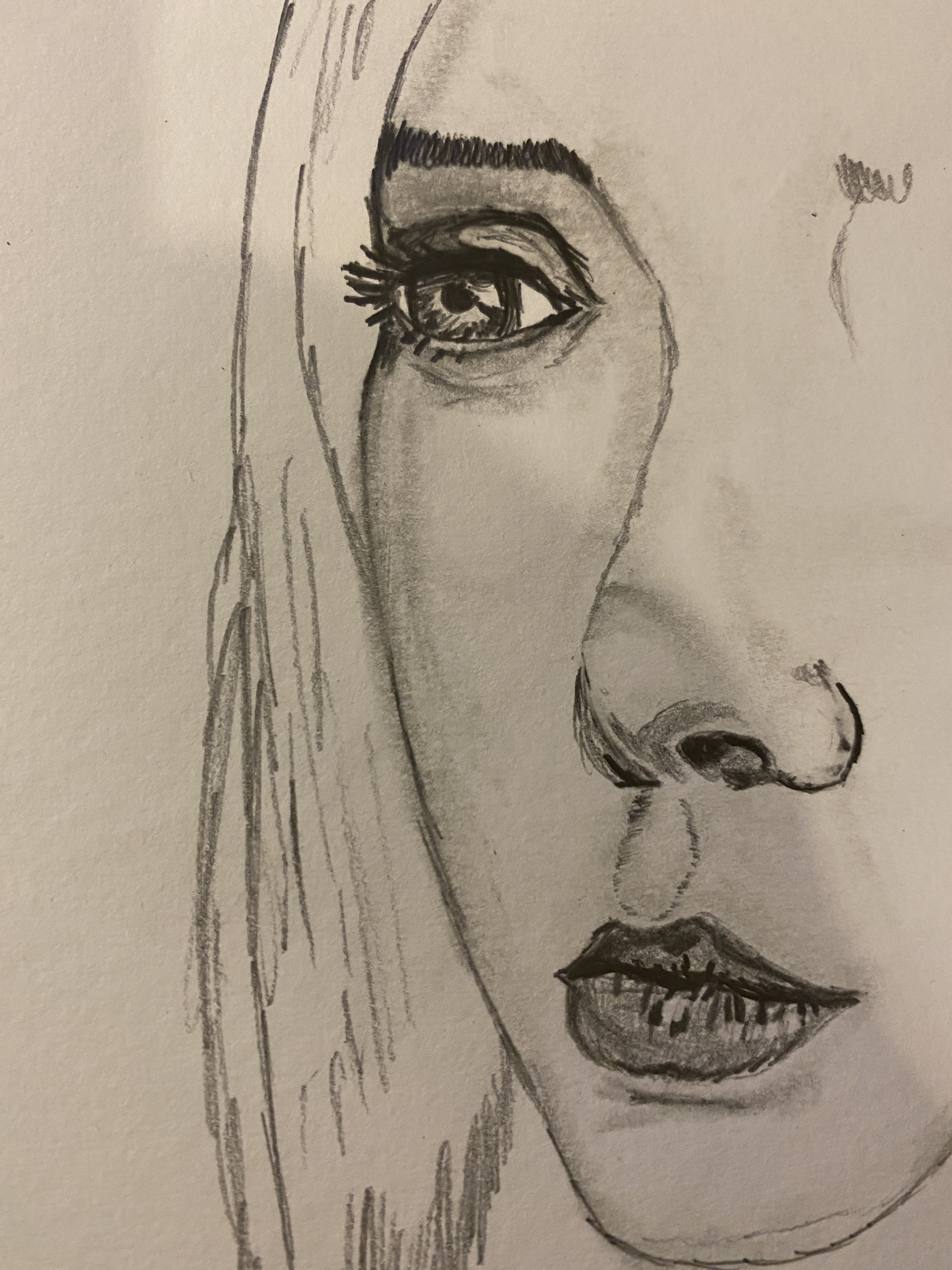
When we are in the habit of making up stories about others, filling in the blanks, judging and making assumptions based on nothing, or because the other hasn’t spoken or has said something that triggered us or we have not taken the time to ask the other, then we experience a lot of suffering from our own false stories which create a lot of unnecessary emotions in the body. We often then vent the suffering on others, and we become reactive instead of understanding.
Before we get to the stage of acting, we have to rumble with some ‘shitty first drafts’ as Brene Browm brilliantly calls them. Where either in our heads or on a piece of paper (computer screen if you must) we write down what we are making up and get all that shitty stuff out. Doing that gives us a moment to reflect and a moment to measure that against our wholehearted approach which is that the other person is acting with good intentions and is doing the best that they can. We realise that we are making stuff up without any basis for it, we know nothing of the intentions or thoughts of the other.
Once we have those shitty first drafts, in the right space where it is safe to do so, we can share those shitty first drafts with others. Even with the person to who it relates, as long as we are kind in how we deliver it and sure that they will see them as honest admissions of what we are making up. If we tell others what we are making up related to them, they have a chance to tell us the real picture from their point of view.
But it has to be the right person to be able to share them with. They have to own their stories and be able to be empathetic listeners without judgement or advice of us, otherwise, we will shut down and close off.
We may not have found that person yet, but we need to keep trying, they exist and we have to be that person for others too.
Once we have gotten over the shitty bits, we can then give the other person an opportunity to fill in the blanks. Then we actually get the whole picture from the other person and do not react to the stories that we have made up.
Not surprisingly, when we allow the other person to explain and give us the real story of what is happening with them, we no longer have to react. What others are thinking is their business and is not about us, it never is. It is almost never the story we have made up about them.
Even if others aren’t acting with the best intentions, there is a reason for that, we can choose to see and understand this and be compassionate about it. Almost always, others act with the best intentions and if we do not seek to understand them first, then we will always be acting from a place of not knowing and based on the stories we have made up about them or the situation.

 Philip Dodson