
I learnt that or this or whatever I struggle with in life type behaviour from my childhood and some of the damage that is done by our parents that we then have to spend a lifetime unravelling, why do we not let these things go earlier and get them out in the open?
As a parent, there are things that I know that I could have done even better or differently with the knowledge and experience I have now. But, I didn’t have that at the time, so there is no reproach, no blame, just learning, and learning how to make things better.
So now it is a chance to make the choice that every day is an opportunity to do it differently or even better to apply the learning. We can achieve that if we choose to and use the pain and suffering that the mistakes of parenthood can cause as the driver and the purpose to our life going forward. Not blaming or regretting or punishing ourselves or others for the mistakes, but doing an even better job, as there is always time to put things to a different outcome and a better outcome that both would like.
It is about discussing openly as a family and looking collectively on what even better looks like for everyone and this is a way of breaking the cycle so that if they have children in the future that they do not make the same choices and perpetuate the wrong outcomes.
After all, it is all subjective and opinions and there is not a manual on how to be the perfect parent, and perfect is dull and only momentarily achievable until someone surpasses it.
It is about doing what we feel is the right thing, but it is about discussing the awkward, the difficult, talking about the ‘elephant in the room’. Then being open and willing to admit that you were wrong, that you are willing to work to do things differently, or even better, and making it a thing that you work on together with your children so that they feel in control and part of the process.
Children can often help adults to become better and deal with their issues, it is not all about the parent teaching the child and that is what is wrong with the world, this view that adults are right and they always know best, often the unspoilt mind of the child is better-equipped and less cluttered to deal with things in a more practical and open way, naivety is a benefit, idealism is a plus.
Facing awkward things together and discussing how to make things even better is so much better than anger, blame, remorse and staying stuck.
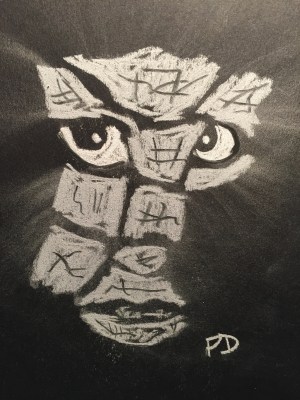
 Philip Dodson