I was wrong

IMG_4650

Society has developed this attitude to ‘my rights’ and ‘never admit liability’ in an accident. We seem unable to accept we may have been wrong, it is seen as a weakness, it is seen as giving in and not being this ‘strong’ person that we are all meant to be.

Admitting you was wrong means accepting vulnerability, it means that you are self-aware and willing to learn.

It is a strength.

It requires bravery.

It requires accountability.

Blame is a waste of time, including blaming yourself. Perhaps it could be seen more as, not being wrong, but more a willingness to compromise, a willingness to change future outcomes, by learning what didn’t happen as anticipated.

We allow our limbic ‘chimp’ brains to over-power us sometimes, and this is where the black and white, win at all cost mentality suffocates compromise, suffocates accountability and ultimate suffocates learning.

It does not mean that we have to abandon what we believe in, but in order to inspires others, rather than coerce, we need to be able to compromise, empathise and understand where we can be better.

So more than being wrong, it’s being able to compromise, learn and modify going forward.

The endless pursuit of right or wrong, someone to blame, is an excuse to avoid being accountable and developing ourselves.

Someone to blame

IMG_4650

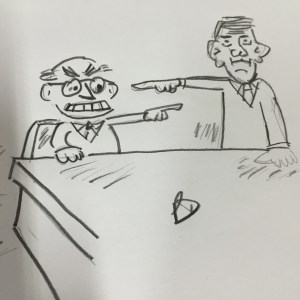
Someone to blame has become endemic in our society, it always has to be someone’s fault.

Yet blaming someone serves no purpose, as it nearly always involves shaming the person who is at ‘fault’. Shaming is a tactic over used in the today’s fear based, judgemental and hate driven society.

Does anyone feel good to be blamed? No.

Does shaming that person make them less likely to commit the same ‘mistake’ again? No.

Or does it only serve to make them feel less worthy and demotivated? Yes.

Then there is the self-blame that we indulge in too, which is a by-product of the blaming culture. We see ourselves as the cause of something ‘it’s me, I’m the one to blame’, this where we have been conditioned to play the victim role.

The thing is blame and fault are not conducive to creating better outcomes, they are demotivating and more likely to continue to create less desirable outcomes. People fear the next shaming, blaming session, so they hold back on creating their best stuff. Safe becomes the norm.

If we accept that at the time people set out to do their best, sometimes the outcome is not what we desired, but all we can do is take the learning. Then apply that learning to the future, with the sole purpose of improving that outcome. We want people to be free to create their very best, and that will never happen if blame is in the equation.

If we look to praise, encourage and inspire by looking at what went right, rather than what went ‘wrong’, then better and better creations will evolve. If we focus on making ourselves and others feel worthy, if we are compassionate, empathetic and supportive, then future outcomes will only be better.

That is all we can do. Create an environment where people feel free to do their best.