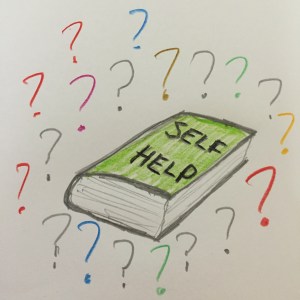
Is it better to stay uninformed about what is happening in our heads? Is it better to be ignorant about ourselves? Is it better not to analyse ourselves? Is it better to not even stop and think, to just get on with life?
We live in a world of more and more self-analysis, more and more self-improvement, self-development. We no longer look at the bottom of Maslow’s triangle, we are seeking self-fulfilment. We are more than ever searching for the meaning of life.
We are now looking into every aspects of how our brains work, or not, how we should behave, what we should say, we are looking at every aspect of our inner self. We are consuming strategies and the latest teachings in vast quantities.
There are so many books on this subject, that I am sure, if they were all piled one on top of the other would reach the moon. There are more ‘gurus’, ‘experts’ and ‘life coaches’ than you can shake a stick at.
Yet are we any better off knowing? Have we progressed? Are our lives now stress free, clear and happy?
It is not about whether we should do this self-improvement or become self-aware or not. It is about whether or not you want to change.
It is also realising, that no matter how many coaches, guru’s , experts, courses, books etc. that you use or consume, if you do not want to change and if you do not apply the learning, the knowledge, then you might as well not bother.
Learning about ourselves and making changes is a painful process, it is hard work, it takes commitment, it is not a quick fix and then give up. You need to be in it for the long-haul, you need to want to learn, apply that and really change.
Like many things in life we either give up because there are no immediate results, or we give up because it has become hard, or the process opens up things about ourselves, that initially we find difficult to see how we can change.
The process is about cutting new pathways in the brain, and in order to make sure those new pathways stay open, we have to keep going back the new path, while the old pathway is left to become over-grown.
It is all about changing habits, and in order to change habits, you have to want to. The desire to change comes from knowing why we want to change, there has to be a strong compelling reason to change you.
If there isn’t, then don’t start the process, stay uninformed.
If there is, then be prepared for a long journey, be prepared for ups and downs, be prepared to commit. But also be inspired by the progress, by the changes you are making, celebrate them, reward yourself and encourage yourself. It takes years to undo habits of a lifetime.
No matter how hard it has been, I am so glad that I decided to change me and I am and have been on an amazing journey of self-development, self-awareness. I am now happier than I have ever been as I am finally becoming me.
You do need others to help you and not just for a quick fix, you need them for the journey for advice, ideas, support and all the things that good people bring to your life. But at the end of the day you have to be prepared to help yourself and not rely on others to fix you, you have to apply the knowledge that others can bring you.
The best equipped person to help you is you, after all you have be present for every moment of your life journey.
So before starting to make changes, make sure you know why and ensure that you really want to change.

 Philip Dodson