There is always a solution

We face many challenges in our lives.

All of which have a solution.

The bigger challenge is learning how to react to challenges.

Often, we allow even minor setbacks to take ‘the wind out of our sails’. We focus on the injustice, or the hurt, the problem, the way in which we can get revenge or not accept it.

Instead, if we focus all our energies on the solution, the world looks completely different.

We are not victims, we are not unlucky, we haven’t been dealt a bad hand. We make all the choices, so what comes our way is a result of those choices and the things that we can not control will happen regardless of what we do.

Sure initially we will all react to a setback, but after that initial reaction, there is a choice to blame others, to be a victim or there is the choice of what is the solution? How can I make things better? What opportunity will come from this challenge? What can I learn? What did I do right and what can I do even better next time?

Questions lead to solutions and it is a choice.

There is always a solution and it is not found in blame, victimhood, or dwelling on the problem.
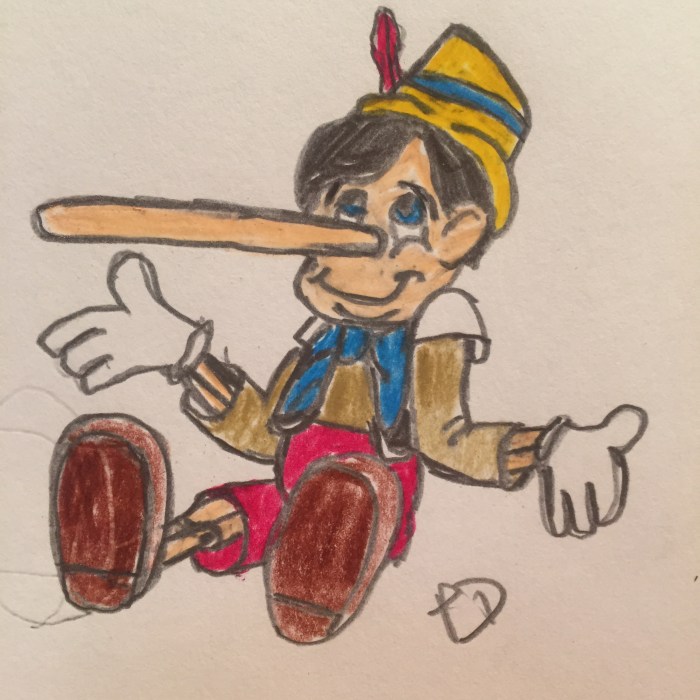
Making up a story

IMG_8104

Often in life, we make up stories in our head of wrongdoing done by others towards us based on what we think we know.

It is like reading a book with pages missing or text blocked out and then telling someone the story or worse the ending.

We allow preconceived ideas of others, marred by our judgements, to write stories that are based on simply that.

It’s a little like when we have a bad experience with a doctor or the phone company etc, we then assume we will always have a bad experience with doctors or the phone company.

Maybe a particular person made a bad choice of behaviour and then we seem to label them.

So we react to other people’s behaviour towards us, or most often overreact, based on nothing other than a partially complete picture or judgements.

Making up a story and often allowing ourselves to be a victim.

The simple fact is no one is out to get us anyway, they are busy with their own priorities, so being a victim is never worth the energy.

Instead of reacting we could simply ask questions to the other person and complete the story knowing the complete picture of another person’s behaviour. We may come to the same conclusion, but more often we would not, as we would react without blinkers.

Asking some questions first avoids overreaction and the need to make up stories that include us the victim.