Taking on a new employee often has it’s challenges for both the organisation and the new employee. Why is that?
There are those painful first few days, when the employee knows very little about what is required of her, they feel like a ‘fish out of water’, as everyone around them seems to know what they are doing, they have their heads down, and they seem to be fully occupied.
Whereas, the newbie is often twiddling their thumbs, awaiting for the next bit of induction and training. It can be a touch frustrating and boring.
For the employer or the manager, there is this new person, who is totally dependant on them for their daily activity, induction and training in their new role. Yet, she still has all the daily tasks to do that her job requires, so every moment spent with the new person, means time not spent doing her own stuff.
However, most of this is caused by the pressure of thinking that the new person has to be trained to a certain level within a short as possible time frame, often in a very unrealistic amount of time. As it is often about the term ‘when can she be revenue generating?’. The mentality that is all pervasive in our society.
Often, it is the classic conundrum between just getting it done ourselves versus showing someone else to do it, as in the short term it is quicker to do it ourselves. Give a woman a fish, she eats for a day, teach her to fish, she can feed herself for a lifetime (or something like that!).
The root of this, is the dogma about how things have to be immediate. Like all things, training or working with a new employee takes time, time for both to become ready. It is a journey and the more time you’re prepared to invest in that process, the more reward will come for both. You will become a team, together creating something better.
It is not about who the ‘boss’ is either, you could see it as, you are both on the same crew, with different responsibilities, one needs the other to succeed.
After all the most important person in any organisation is not the owner, shareholders, investors or customers, it is the employees.
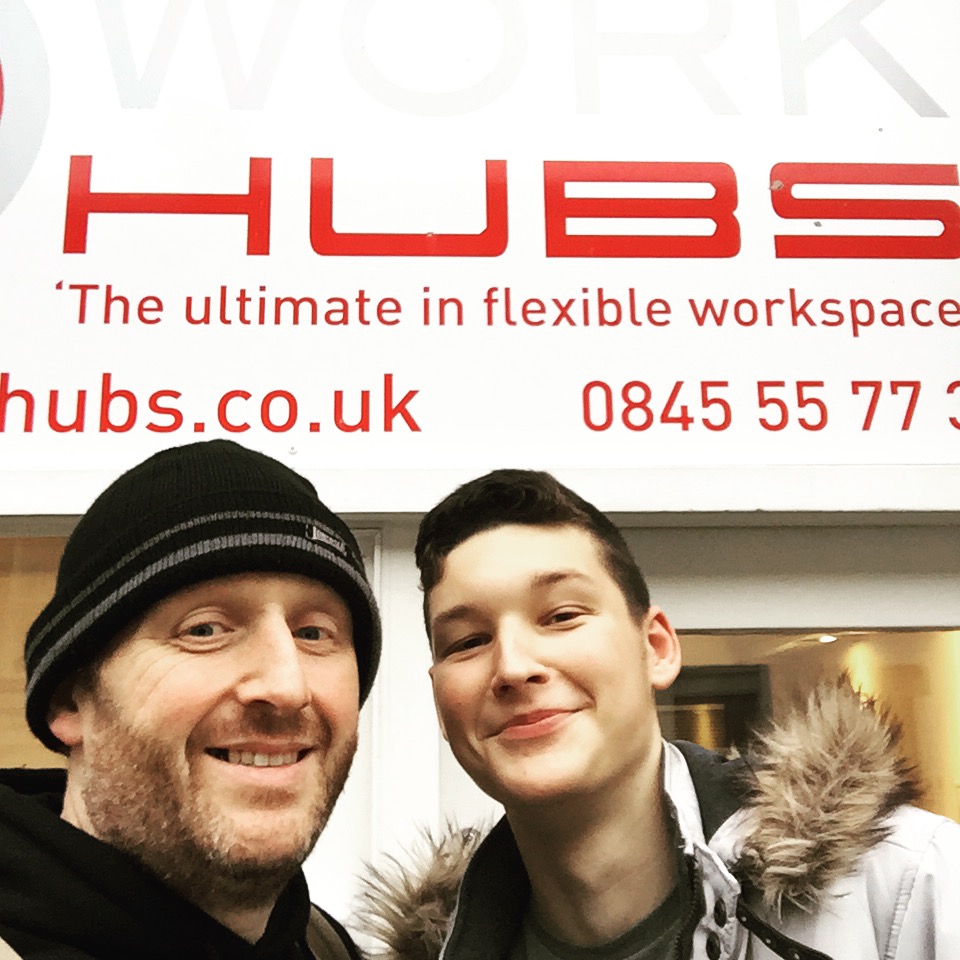
In my business, I have just taken my son on as an apprentice, it is an investment for both of us, it is a journey and whatever time it takes for it to work out, is the time it will take. There is no pressure on him, or me, to reach any level and it is up to him to learn and work in a style and pace that suits him.
So today is the start of Dodson & Son, an opportunity for an amazing journey.

 Philip Dodson