Easy is painful

IMG_7793

It’s interesting that often by default we opt for the easy option.

Whenever things get ‘tough’ we tend to go for the instant gratification, hiding very often from our fears, even just fears of something being hard.

Perhaps something we feel we do not have the skills for the task but frightened to show that to others or admit that to ourselves.

Easy to do nothing, harder to ask for help or to learn the skill we do not have.

We think avoiding something is easy, we can then go back to our comfort zones. But as I have posted before, comfort zones could be more accurately described as discomfort zones.

Easy is appealing but then we have to live with the pain of regret, the feeling of failing, the doom of the pressure from unstarted or unfinished tasks that we perceived as hard.

It’s overcoming the fear that is hard. But doing hard things brings results and success. Like most things, it’s a choice and then a habit building exercise. Hard things are usually worth it, rewarding and meaningful.

Hard is easy once learnt, easy is always painful.
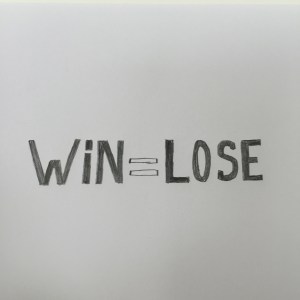
Winning and losing

IMG_7718

The game of winning and losing is engrained in our culture.

Arguments, races, elections, fights, and the list goes on. They all require a winner or a loser.

It’s to do with this false sense of worthiness that we attach to achievements and being the ‘winner’.

We are no more worthy a person if win or lose. Our worthiness in life is not defined by the outcome of a single race, an argument or any battle.

In relationships with others, the concept of winning or losing arguments is flawed. As the winner, deep down, rarely feels good about winning and the loser never feels good. Short-term winning the argument may seem like a success, but longer-term no one wins from making the other person feel like the loser.

Compromise, finding mutually acceptable solutions, where we can all feel good about the outcome is what counts.

That’s not weakness, it is the very opposite. Only brave people are willing to adjust to other people’s points of view. That does not mean that you have to be a doormat, always accepting other people’s views or perhaps even accepting people’s bad choices of behaviour towards us.

However, if someone matters and the relationship is important, then compromise is the only way to accommodate differences.

In order to bring that change about, we have to be willing to be first and not wait for others. All the time it remains a battle of right or wrong, black or white, win or lose, then no change will occur and no one will feel good.

We can not control others, they may still choose not to change. We could choose to remain unaffected by how others behave towards us.

After all, we need to define our own happiness.