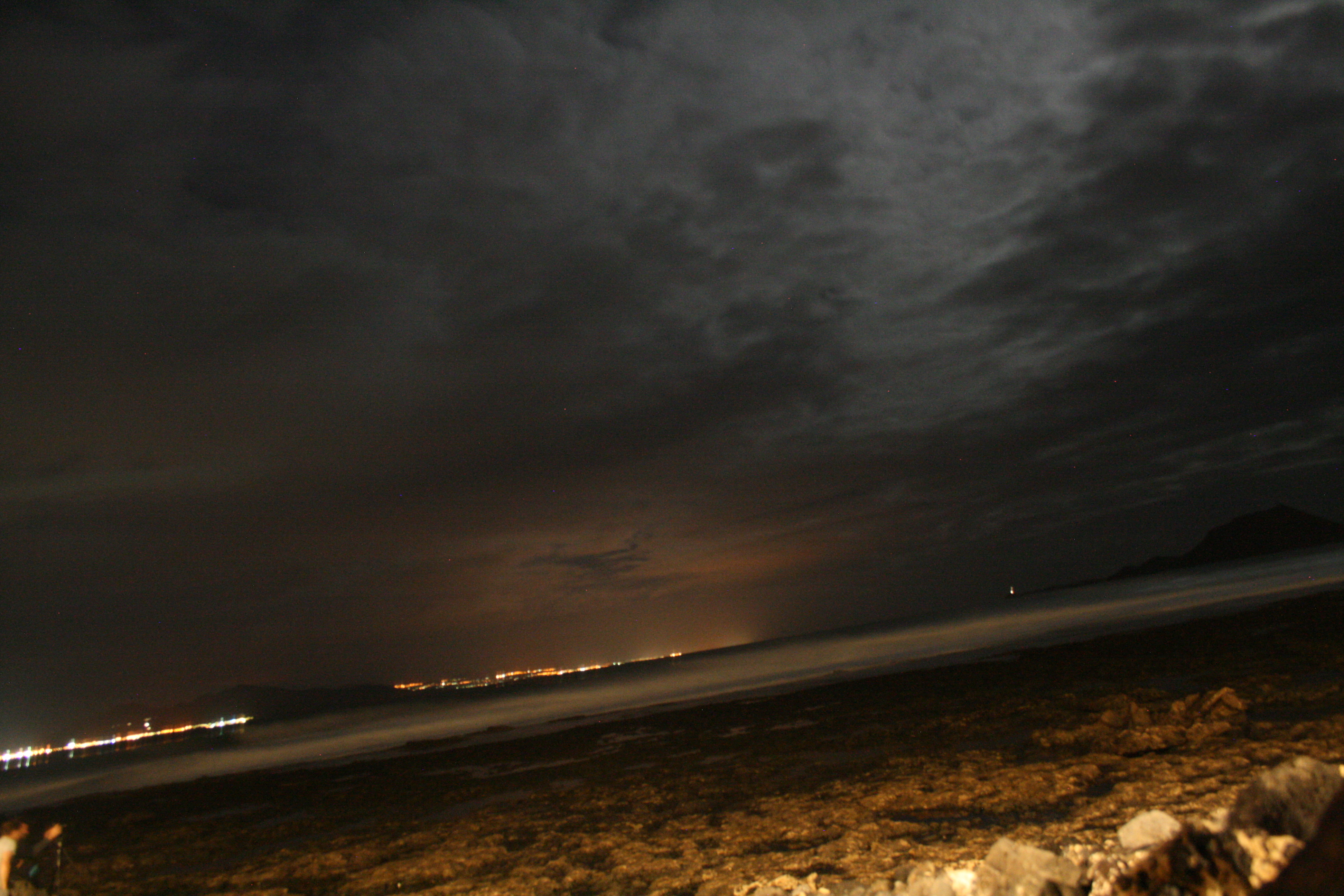
So on Saturday, here in Fuerteventura, as part of the Copass Camp that I’m on, there is a photography class, run by Stefano.
I knew that the class was running but I decided not to join, much as I have always wanted to learn more about photography. However, I did decide to pack my Canon 400D camera, which since I bought it about 6 years or so ago, has only ever taken pictures on the automatic setting.
I looked at all the dials, menus and other settings, and opted for the safety of the automatic picture.
The camera took decent pictures and like many of us, once smart phone cameras became good, I switched to taking selfies on my iPhone and the Canon stayed mainly in the draw.
So I was determined during this camp to take a few pictures. So on Saturday, I got the camera out and Eric started to show me what the various dials and settings did. Wow, we opened up a whole new world of photography, I found out there was an aperture and shutter speed, even what ‘ISO’ settings meant.
After dinner, Stefano, Ann, Eric and I went out to the seafront and took some night photos, something I would have never done had I not asked a few questions.
This blog though is not about photography, it is about realising that there are things that we want to do in life, we put them off because we feel we do not have the skills needed. The thing is, a lot of what we do not know in life, can be found out by just asking some questions.
Yet another great day, which would not have been possible without coworking.
While having dinner on the beach with the everyone from the Copass Camp, in Corralejo, Fuerteventura, at the strangely named Waikiki restaurant.
Although sounding very touristy, it is not at all and the food was awesome. Half the group had amazing Chateaubriand steak, which they cooked to their liking on the hot stones at the table and other half of the group, we had super tuna fillets.
Not sure how relevant any of this is yet to the title, but in any story it is important to set the scene.
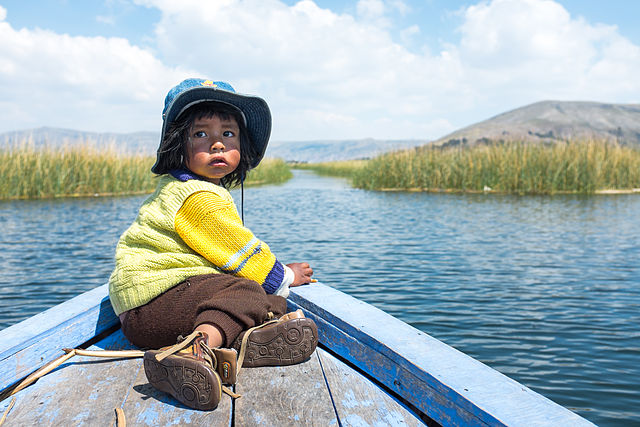
So at one point Stefano, co-founder of Copass, was talking about a trip he made to Peru, and especially he talked about these native people, who still lived on islands in the middle of lake Titicaca, and how they lived.
The interesting thing about these people, that even in the 21st century, they live a simple existence, relatively free of technology and the things we all take for granted in the ‘first’ world (not a term I like, but a label we can all understand).
We also talked a little about the nomadic people of Mongolia, and having watched Ewan McGregor’s bike ride round the world, where they passed through Mongolia, the thing that struck me about these people, is that to many they would seem to have nothing, but in fact they had everything they needed. They are happy.
Stefano also talked about the amazing community that Uru have and there is no money, people do everything for the community. So the little money they do have is raised from the ferry, enabling to buy some essentials they need from the outside world. Again they were happy people, not feeling unworthy because they didn’t have an iPhone 6s or troubled by poor broadband speed.
I blogged a while ago about the idea of not having money, of resetting everything and everyone to zero, and then perhaps using the Echo model, where everyone’s time is worth the same, 1 Echo for 1 hour of time, you could stop a tiny few on the planet accumulating much needed resources.
We would not need to work in the same way, as we wouldn’t need to earn so much money, as an element of what we all did would be for the community.
This may seem to many as fluffy and utopian, but you know what, with $61 trillion owed in debt, who to, I have no idea, isn’t it time we ditched money and found a better system. In fact in the time it took me to look up that fact $2m of interest had accrued.
One that will enable us to ensure as a human race that no one is hungry, homeless or poor, to ensure that the wealth of the community, is enjoyed by everyone in the community, not just a tiny elite.
Yet another interesting chat during our camp here and more evidence of when people get together to work, and live together, no matter where that physical connecting point might be, that you can discuss ideas and perhaps collaborations can form to help construct an alternative.
The way to save the human race is to connect, form communities of people from all over the world and to bypass the system, that most are forced to serve and comply with.